
1. A Nation Celebrates, A People Reflect, A Future Awaits
On 9 October 2026, Uganda marks 64 years since attaining independence from British colonial rule in 1962. This historic occasion invites every Ugandan, regardless of age, background, geographical location, political affiliation, social standing, or economic circumstances, to pause and reflect on the meaning of freedom, the value of national unity, the sacrifices of those who came before us, and the responsibility entrusted to the generations living today.
For BRACE Africa International, Uganda’s Independence Day is more than an annual national celebration. It is an opportunity to recognize the resilience of our people, honour the struggles that shaped our national identity, appreciate the progress achieved over the decades, acknowledge the challenges that remain, and renew our collective commitment to building a nation in which every person has the opportunity to live with dignity, participate meaningfully in society, and contribute to sustainable development.
Independence represents a historic turning point in the life of a nation. It signifies the right of a people to determine their collective destiny, protect their cultural identity, establish institutions that serve their interests, and pursue a future shaped by their aspirations. Yet independence also comes with responsibilities. It requires citizens to participate in nation-building, leaders to serve with integrity, institutions to uphold justice, and communities to protect the common good.
Uganda’s story is one of extraordinary diversity, cultural richness, natural beauty, human potential, and enduring determination. From the fertile agricultural lands of the east and central regions to the hills and highlands of the west, from the landscapes of Karamoja to the northern communities, from the shores of Lake Victoria to the settlements along the Nile, our country carries a wealth of experiences, traditions, talents, and possibilities.
Within this diversity lies one of our greatest national opportunities: the possibility of building a shared future without requiring every community to become the same. Our different languages, cultures, histories, traditions, and ways of life should be sources of learning, solidarity, and mutual respect. They should remind us that a nation becomes stronger when people recognize the dignity of one another and work together towards common goals.
As Uganda celebrates 64 years of independence, BRACE Africa International extends warm Independence Day greetings to all Ugandans at home and abroad. We celebrate the farmers who sustain our food systems, the teachers who prepare future generations, the health workers who protect lives, the entrepreneurs who create opportunities, the public servants who serve communities, the young people who dare to imagine something better, the women who sustain families and enterprises, and the countless ordinary citizens whose daily contributions keep our nation moving forward.
We also recognize the individuals and communities who continue to work under difficult circumstances. Their determination reminds us that national progress is not measured only by major projects, impressive buildings, economic statistics, or official celebrations. It is also measured by whether a child can attend school, whether a mother can access quality healthcare, whether a young person can find a meaningful opportunity, whether a farmer can earn a fair income, whether a person with a disability can participate fully in society, and whether vulnerable families can live without the constant fear of exclusion.
Our independence is a shared inheritance. Our development is a shared responsibility. Our future must be a shared achievement.
2. Remembering the Meaning of 9 October 1962

On 9 October 1962, Uganda became an independent country after a period of British colonial administration. The occasion marked the formal beginning of sovereign national governance and opened a new chapter in the country’s political history.
The road to independence was shaped by political organizing, public debate, cultural identity, evolving institutions, and the determination of Ugandans to exercise greater control over their affairs. Independence was not simply a date on a calendar. It represented a profound change in the relationship between the people and the authority governing them.
The attainment of independence created an opportunity for Ugandans to shape their political institutions, determine their development priorities, preserve their heritage, and participate in decisions concerning their collective future. It also created the responsibility to build institutions capable of serving the population fairly and effectively.
As we remember this historic milestone, we must appreciate that the meaning of independence extends beyond the transfer of political authority. Political sovereignty must be accompanied by the continued pursuit of social progress, economic opportunity, justice, peace, and human dignity.
A nation may achieve independence in the political sense while its people continue to face challenges that limit their ability to enjoy freedom in everyday life. Poverty can restrict choices. Inequality can silence voices. Limited access to education can close doors. Poor healthcare can undermine opportunity. Discrimination can prevent talented people from participating fully in society. Weak accountability can reduce public confidence in institutions.
These realities do not diminish the significance of Uganda’s independence. Instead, they remind us that independence is both a historic achievement and an ongoing responsibility.
The generations that struggled for greater political self-determination could not complete every task required to create a just, prosperous, and inclusive society. That work belongs to every generation that follows.
Our responsibility today is not merely to remember the past but to learn from it. We must understand the sacrifices that made independence possible, examine the decisions that shaped our national journey, celebrate achievements honestly, and confront shortcomings constructively.
History should not be used only to divide people into competing narratives. It should help us understand how our institutions evolved, how communities experienced different periods, how mistakes can be corrected, and how future generations can make wiser decisions.
For BRACE Africa International, remembering independence means reaffirming the importance of people-centred development. It means recognizing that the value of national freedom is best demonstrated when citizens have meaningful opportunities to improve their lives and contribute to the wellbeing of others.
As we honour 9 October 1962, let us remember that the true legacy of independence is not preserved through ceremonies alone. It is preserved through the choices we make, the institutions we strengthen, the communities we empower, and the opportunities we create for those who will inherit Uganda after us.
3. Uganda at 64: Celebrating Progress Without Ignoring the Work Ahead

Every Independence Day provides an opportunity to take stock of our national journey. We should celebrate progress wherever it has occurred, acknowledge the efforts of those who have contributed to it, and remain honest about the challenges that require renewed attention.
Uganda possesses significant natural resources, a vibrant agricultural sector, a youthful population, a rich cultural heritage, entrepreneurial communities, and a strategic position within East Africa. These assets offer considerable potential for inclusive economic growth, regional cooperation, technological advancement, and sustainable development.
Across the country, Ugandans continue to demonstrate creativity and resilience. Small businesses emerge in trading centres and urban neighbourhoods. Farmers adapt their practices to changing conditions. Young people explore digital opportunities, creative industries, innovation, and enterprise. Women organize businesses, lead community initiatives, support households, and participate in public life. Civil society organizations work alongside communities to address social needs and strengthen local participation.
Such efforts deserve recognition because national development is rarely the product of one institution or one individual. It emerges from the combined contributions of citizens, communities, public institutions, businesses, civil society, development partners, and other stakeholders.
However, celebrating progress must not prevent us from asking important questions.
Are development opportunities reaching underserved communities? Are young people acquiring the skills and support necessary to participate in the economy? Are women and girls able to access education, healthcare, protection, and leadership opportunities? Are rural families benefiting from essential public services? Are public resources being used transparently and effectively? Are communities involved in decisions that affect their lives? Are people with disabilities and other marginalized groups being included in development planning?
These questions are not expressions of hostility towards our country. They are expressions of care for its future.
Patriotism should give us the courage to celebrate what works and the honesty to improve what does not. Love for Uganda should not require us to ignore suffering, remain silent about preventable problems, or accept avoidable inequalities. Genuine commitment to our nation means seeking constructive solutions while respecting the rights and dignity of all citizens.
As BRACE Africa International reflects on Uganda at 64, we recognize that progress should be understood through the lived experiences of ordinary people. Economic expansion matters, but so does the quality of employment available to households. Infrastructure matters, but so does whether communities can access it. Education matters, but so does the relevance and quality of learning. Healthcare facilities matter, but so does whether people can afford and receive timely care.
National development becomes meaningful when improvements in systems translate into improvements in human lives.
Our celebration should therefore be accompanied by a renewed commitment to close the distance between national aspirations and community realities.
We must continue to invest in people, strengthen local institutions, expand meaningful participation, protect the vulnerable, encourage innovation, and promote responsible leadership. We must support solutions that address immediate needs while building long-term resilience.
Uganda’s next chapter will be shaped by the decisions we make today. The opportunities we create for young people, the respect we extend to women, the care we provide to children, the support we offer to rural communities, and the integrity with which we manage public responsibilities will all influence the nation we become.
At 64, Uganda has reasons to celebrate and important work to undertake. We can honour both truths at once.
4. Independence and the Responsibility of Every Citizen

Independence is often associated with national flags, anthems, official speeches, cultural performances, and commemorative ceremonies. These traditions are valuable because they connect citizens to shared history and identity. Yet the deepest meaning of independence emerges through everyday citizenship.
A nation is strengthened when citizens understand that their rights and responsibilities belong together.
Citizens have the right to participate in public affairs, express opinions, seek information, associate peacefully, and expect institutions to respect the law. They also have responsibilities to respect the rights of others, protect public property, contribute to community wellbeing, uphold the law, and participate constructively in society.
Responsible citizenship does not mean agreeing on every issue. In a diverse society, disagreement is inevitable and can be productive. What matters is how disagreements are handled. Debate should not become hatred. Political differences should not justify violence. Ethnic, religious, cultural, or regional identities should not be used to deny other people their dignity.
We need a national culture in which people can challenge ideas without dehumanizing those who hold them, demand accountability without abandoning respect for due process, and advocate for change without destroying the foundations of peaceful coexistence.
Every citizen has a role to play.
A teacher can strengthen citizenship by helping learners think critically, understand their rights, and appreciate the responsibilities of living together.
A parent can nurture integrity by teaching children honesty, empathy, respect, and care for others.
A young entrepreneur can contribute by creating opportunities, treating workers fairly, and developing solutions that respond to community needs.
A farmer can support community resilience through responsible land use, cooperation, and knowledge sharing.
A health worker can protect dignity by treating patients with professionalism and compassion.
A public official can honour the public trust by making decisions fairly, using resources responsibly, and providing clear explanations for institutional actions.
A community leader can build unity by listening to diverse voices and ensuring that decisions are not dominated by a small number of influential individuals.
A civil society organization can support citizens by sharing information, building capacity, creating spaces for dialogue, and helping communities participate in decisions affecting their wellbeing.
Even seemingly small actions can have national significance. Keeping public spaces clean, helping a neighbour, refusing to participate in corruption, protecting children, reporting credible concerns through appropriate channels, supporting local enterprises, and volunteering time for a community initiative are practical expressions of responsibility.
Independence must live in our conduct.
It should influence how we treat people whose circumstances differ from ours. It should guide how we respond to injustice. It should shape how we use opportunities and whether we create space for others to succeed.
At BRACE Africa International, we believe communities become stronger when people recognize their ability to contribute to change. Development should not be understood as something delivered exclusively by institutions to passive recipients. Communities possess knowledge, experience, relationships, and capacities that are essential to sustainable solutions.
When people are informed, organized, included, and supported, they can identify priorities, mobilize resources, participate in decision-making, and hold institutions accountable.
This is one of the most important lessons of independence: freedom becomes more meaningful when people have both the opportunity and the capacity to shape their own futures.
5. Youth: The Energy, Imagination, and Responsibility of a Nation
Uganda’s young population is one of its most important national assets. Young people bring creativity, ambition, adaptability, cultural energy, and the potential to transform the economy and society. They are not merely future citizens or future leaders. They are citizens and contributors today.

As Uganda celebrates Independence Day, the experiences and aspirations of young people must be central to our national reflection.
Across communities, young people are pursuing education, developing technical skills, building enterprises, engaging in sports and the arts, exploring technology, volunteering, participating in civic life, and supporting their families. Many demonstrate remarkable determination despite limited resources and uncertain opportunities.
Their efforts deserve recognition, but recognition alone is insufficient.
Young people need accessible and relevant education, practical skills, mentorship, employment pathways, entrepreneurship support, affordable digital access, safe public spaces, mental and social wellbeing support, and meaningful participation in decisions that affect their lives.
They also need institutions willing to listen to their ideas without assuming that age determines the value of a contribution.
Too often, young people are invited to participate in public conversations without being given meaningful influence over the decisions that follow. Their attendance may be welcomed, while their recommendations receive little consideration. Their energy may be praised, while their barriers remain unaddressed.
A stronger Uganda will require a shift from symbolic youth participation towards genuine partnership with young people.
This means including them in planning, supporting youth-led initiatives, investing in their capabilities, and creating opportunities for them to exercise leadership with appropriate guidance and accountability.
It also means recognizing the diversity of youth experiences. A young person in a rural village may face different barriers from one in Kampala. A young woman may encounter different social and economic restrictions from a young man. A young person with a disability may require specific forms of accessibility and support. Young people affected by poverty, displacement, or geographical isolation may need targeted opportunities to participate fully.
One approach cannot meet every need.
BRACE Africa International encourages young Ugandans to approach independence as an invitation to purposeful action. Do not allow difficult circumstances to convince you that your contribution has no value. Begin with the resources, knowledge, relationships, and opportunities available to you. Seek mentorship, build useful skills, support one another, and turn ideas into practical steps.
At the same time, society must not use messages of resilience to transfer every responsibility to young people. Individual effort matters, but enabling systems matter too. Governments, educational institutions, businesses, development partners, families, and civil society all have roles in creating fair opportunities.
We must encourage young people to work hard while also working to remove structural barriers that prevent their efforts from producing meaningful results.
Uganda needs young people who can innovate, question constructively, collaborate across differences, protect the environment, support community wellbeing, and lead with integrity.
It also needs adults who are prepared to mentor them, share knowledge, open doors, and recognize their leadership.
Our national future will be stronger when young people are not simply told to wait for tomorrow but are equipped to shape it today.
6. Women and Girls: Recognizing Their Contribution to National Progress

No reflection on Uganda’s independence and development is complete without recognizing the contributions, leadership, labour, creativity, and resilience of women and girls.
Women contribute to agriculture, education, healthcare, trade, entrepreneurship, public service, community leadership, household wellbeing, and numerous other sectors. Girls bring talent, ambition, curiosity, and potential that deserve the same respect and investment afforded to every child.
Yet women and girls can continue to face barriers related to unequal access to resources, economic exclusion, harmful social practices, gender-based violence, limited representation, unequal care responsibilities, and restrictions on opportunities.
These challenges affect individuals, families, communities, and the wider economy.
A society cannot fully realize its potential while substantial parts of its population face preventable barriers to participation.
Independence must therefore be reflected in the everyday freedoms that women and girls are able to exercise: the freedom to learn, to participate, to lead, to work, to make informed decisions, to access essential services, and to live free from violence and discrimination.
For BRACE Africa International, empowering women and girls is closely connected to strengthening community resilience. When women can access education, healthcare, information, economic opportunities, and leadership pathways, households and communities gain additional capacities to respond to challenges and pursue development.
This does not mean placing the entire burden of community wellbeing on women. Women should not be expected to compensate for inadequate systems through endless sacrifice. Rather, institutions and communities must share responsibility for creating conditions in which women can participate fully without being forced to carry disproportionate burdens.
Men and boys also have an important role in advancing gender equality. They can challenge harmful stereotypes, support equitable opportunities, promote respectful relationships, and help create environments where women and girls can exercise their rights without fear.
Communities must protect girls’ access to education, strengthen prevention and response to violence, encourage women’s participation in decision-making, and improve access to appropriate health and social services.
Women should be included not only as beneficiaries of programs but also as planners, decision-makers, technical experts, community organizers, and leaders.
Their knowledge and experiences are essential to understanding community needs and developing effective solutions.
As Uganda celebrates 64 years of independence, let us ask whether the promise of national progress is reaching women and girls in every district, village, school, workplace, and household.
Let us celebrate women who have led, taught, healed, organized, created, built, and served. Let us recognize girls who continue to pursue their dreams in challenging circumstances. Let us honour women whose contributions are rarely acknowledged publicly but whose daily work sustains families and communities.
Most importantly, let us move beyond praise towards practical commitment.
A better Uganda is one in which a girl’s future is not limited by her gender, a woman’s voice is not dismissed because of prejudice, and leadership opportunities are determined by capability, integrity, and fair participation.
7. Community Health, Education, and Basic Services: Making Freedom Tangible

The dignity of independence is experienced most clearly in the everyday conditions that determine whether people can live healthy, secure, and productive lives.
Health, education, clean water, sanitation, food security, accessible public services, and social protection are not separate from national development. They are among its foundations.
When a pregnant woman cannot reach appropriate maternal care in time, her family experiences a serious gap in the promise of development. When a child misses school because of financial hardship, distance, disability-related barriers, or unsafe learning conditions, the child’s future opportunities may be affected. When a community lacks reliable water and sanitation, the effects can extend to health, education, productivity, and household expenditure.
These challenges are not always visible during national ceremonies, but they are central to the daily experience of independence.
Uganda’s progress must continue to be assessed through the accessibility, affordability, quality, and reliability of essential services.
In healthcare, this means strengthening preventive services, supporting maternal and newborn health, improving child and adolescent health, promoting nutrition, encouraging timely care-seeking, and ensuring that communities have clear information about available services.
It also means recognizing the importance of frontline health workers, community health structures, referral systems, and respectful treatment of patients.
Health services are most effective when people understand how to access them and trust the institutions responsible for providing them.
In education, it means strengthening teaching quality, improving learning environments, supporting teachers, addressing barriers to attendance, and ensuring that children and young people acquire relevant knowledge and skills.
Education must prepare learners not only to pass examinations but also to solve problems, communicate effectively, participate responsibly in society, and adapt to changing economic and technological realities.
In water, sanitation, and hygiene, it means supporting safe practices, improving access to essential facilities, protecting water sources, and encouraging collective responsibility for community environments.
In food and nutrition, it means supporting productive and sustainable agriculture, improving nutrition awareness, strengthening household resilience, and reducing the conditions that leave families vulnerable to food insecurity.
These priorities are connected. A child who is frequently ill may struggle to learn. A household experiencing economic hardship may delay seeking healthcare. A young person without relevant skills may find it difficult to secure employment. A community affected by environmental degradation may face declining livelihoods.
Development therefore requires coordinated responses rather than isolated activities that ignore the relationships between social, economic, and environmental conditions.
BRACE Africa International recognizes the importance of community participation in identifying these needs. Residents understand many of the practical barriers affecting their daily lives. Their perspectives can help institutions identify service gaps, improve outreach, and develop approaches that reflect local circumstances.
Community participation must be meaningful and inclusive. It should involve women, young people, older persons, people with disabilities, local leaders, and other groups whose experiences may otherwise be overlooked.
Listening is only the first step. Effective participation requires clear feedback, transparent decisions, and evidence that community contributions have been considered.
As we celebrate Uganda’s independence, let us remember that a nation’s success is not determined only by what it builds, but also by whom those achievements reach.
Our ambition should be an Uganda where geography does not determine whether a child can learn, where poverty does not automatically prevent a family from seeking essential care, and where underserved communities are not left outside the development conversation.
Every community deserves dignity. Every child deserves opportunity. Every family deserves to be treated with respect.
8. Accountability, Integrity, and Public Trust
National independence carries an important responsibility: the careful stewardship of public institutions and resources.
Public trust is strengthened when institutions act transparently, explain their decisions, use resources responsibly, respond to legitimate concerns, and treat citizens fairly. It is weakened when corruption, discrimination, waste, or a lack of accountability prevents resources from delivering their intended benefits.

Accountability is not an obstacle to development. It is a condition for sustainable development.
When public resources are allocated to schools, health facilities, roads, agricultural support, water systems, or community programs, citizens have a legitimate interest in understanding how those resources are used and what outcomes they achieve.
Public officials have a responsibility to fulfil their mandates professionally, respect the law, and provide appropriate information about public decisions. Institutions should establish mechanisms through which citizens can raise concerns, obtain explanations, and seek remedies when necessary.
Citizens and civil society organizations also have responsibilities. Questions should be evidence-based, concerns should be raised through appropriate channels, and allegations should not be presented as established facts without reliable support.
Constructive accountability focuses on improving systems and protecting the public interest. It seeks to identify problems, understand their causes, correct mistakes, and prevent recurrence.
BRACE Africa International believes that communities should have opportunities to participate in discussions about development priorities and to understand the processes through which decisions are made.
Community accountability can be strengthened through public dialogues, accessible information, citizen feedback, community monitoring, responsible reporting, and partnerships between residents and institutions.
These approaches help bring the experience of ordinary people into development processes.
For example, when a community raises concerns about the availability of essential health services, the objective should be to establish the facts, understand the reasons for the gap, identify responsible actors, and pursue practical solutions. When parents raise concerns about educational quality, discussions should focus on evidence, responsibilities, and improvements that can benefit learners.
Accountability must also apply to civil society organizations, community initiatives, and development partners. Organizations working in the name of communities should be transparent about their activities, use resources responsibly, protect the dignity of participants, and communicate honestly about their results.
BRACE Africa International recognizes that trust is earned through consistency between words and actions.
We encourage public institutions, private organizations, community leaders, and civil society actors to strengthen a culture in which commitments are followed by measurable action, resources are managed responsibly, and citizens are treated as partners in development.
At 64, Uganda’s future depends not only on the resources we possess but also on the integrity with which we use them.
A road can connect communities physically, but trust connects citizens to institutions. A school can provide a learning space, but accountable management helps protect the quality of education. A health facility can offer essential services, but respectful treatment and responsible stewardship help strengthen public confidence.
Let us make accountability a shared national value.
9. National Unity: Our Diversity Is a Strength

Uganda is home to diverse ethnic communities, languages, cultural traditions, religious beliefs, histories, and social experiences. This diversity is an important part of the country’s identity.
Unity does not require the erasure of these differences. It requires a commitment to treating one another with dignity and recognizing that our shared future is larger than any single community’s interests.
When diversity is respected, it can enrich national life through knowledge sharing, cultural exchange, creativity, cooperation, and mutual support. When it is manipulated to create hostility, it can weaken trust and undermine collective progress.
Our responsibility is to nurture the former and resist the latter.
National unity should be visible in the way communities respond to emergencies, how citizens treat neighbours from different backgrounds, how institutions serve people fairly, and how leaders communicate during periods of disagreement.
It should also be visible in our commitment to equal dignity. No Ugandan should be treated as less deserving of respect because of their region, language, ethnicity, religion, gender, disability, age, or economic status.
The strength of a nation cannot be measured by how effectively its people silence differences. It is better measured by how peacefully they navigate them and how successfully they cooperate on shared priorities.
Education, community dialogue, cultural exchange, responsible public communication, and inclusive leadership can help strengthen understanding between groups.
Families and schools can teach children to appreciate cultural differences without developing prejudice. Community leaders can encourage cooperation and address tensions before they escalate. Media practitioners can provide accurate information and avoid language that needlessly dehumanizes groups. Public institutions can reinforce trust by applying rules fairly.
Young people have an especially important role in shaping the language and attitudes that will influence future generations. Digital platforms can be used to spread knowledge, encourage solidarity, and organize community solutions. They can also spread misinformation and hostility when used irresponsibly.
Every citizen has a choice about the kind of public culture they help create.
At BRACE Africa International, we believe community development is strongest when people can work together despite their differences. Shared priorities such as education, health, environmental protection, livelihood development, and the safety of children provide opportunities for practical cooperation.
A community does not need to agree on every political question to cooperate in keeping its surroundings clean, supporting vulnerable households, encouraging school attendance, or protecting natural resources.
Uganda’s independence should remind us that we share a national home. Its wellbeing depends on our ability to recognize the humanity of one another and protect the foundations of peaceful coexistence.
Let us celebrate our cultures, respect our differences, preserve our heritage, and strengthen the relationships that enable us to build a common future.
10. Rural Communities and Underserved Populations: Leaving No One Behind
A nation’s development story is incomplete if it focuses only on major urban centres or communities with the strongest access to resources.
Across Uganda, people live in rural villages, island communities, border areas, informal settlements, remote locations, and underserved districts where access to opportunities may be limited by distance, infrastructure, income, social exclusion, or the availability of essential services.

These communities should not be treated as an afterthought in national planning.
Their residents possess knowledge, skills, ambitions, and ideas that can contribute meaningfully to national development. Their challenges deserve attention, and their contributions deserve recognition.
Rural families sustain important parts of the agricultural economy. Local traders connect producers and consumers. Community health workers support access to information and services. Teachers educate children in diverse circumstances. Women-led groups and youth associations create forms of cooperation that help households navigate difficult conditions.
Such contributions are fundamental to the functioning of the nation.
However, underserved communities may face overlapping barriers. Limited transport can make healthcare or education difficult to access. Inadequate infrastructure can restrict business opportunities. Climate-related shocks can threaten agricultural livelihoods. Limited access to information can prevent residents from learning about programs or services intended to support them.
Addressing these challenges requires approaches that reflect the conditions and priorities of different communities.
Development interventions should be designed with local participation, realistic budgets, clear objectives, measurable outcomes, and plans for sustainability.
They should also avoid treating communities as passive recipients of assistance. Residents should have opportunities to identify priorities, contribute local knowledge, help monitor implementation, and influence decisions.
BRACE Africa International recognizes the importance of strengthening community ownership and supporting practical initiatives that build local capacity.
This includes encouraging community dialogues, leadership development, youth engagement, women’s empowerment, awareness creation, advocacy, mentorship, and partnerships with local stakeholders.
Such approaches can help communities organize around shared priorities, improve access to information, and identify opportunities for collective action.
A successful initiative should not be judged only by the number of activities completed. It should also be assessed by whether it responds to a genuine need, reaches intended participants, improves knowledge or access, strengthens local capacity, and contributes to sustainable change.
As Uganda celebrates its independence, we must continue to ask how the benefits of national development can reach people whose voices are often less visible.
Leaving no one behind requires deliberate choices. It requires attention to barriers, investment in local capacity, fair access to opportunities, and a willingness to adapt approaches when they do not produce the intended results.
Every village matters. Every district matters. Every household matters.
The future of Uganda will be stronger when the aspirations of underserved communities are treated as an essential part of the national development agenda.
11. Agriculture, Livelihoods, and Economic Dignity

Agriculture remains an important source of livelihoods for many Ugandan households and plays a significant role in food production, employment, and rural economic activity.
Farmers contribute to the wellbeing of families and communities through the production of food and other agricultural products. Traders, transporters, processors, and small businesses help connect agricultural production to markets.
Yet many households face uncertainties related to weather, changing prices, production costs, access to financing, storage, market information, and the effects of pests and diseases.
As Uganda reflects on its independence, agricultural development should remain an important part of the conversation about economic dignity.
Farmers need access to relevant information, appropriate technologies, extension services, reliable markets, improved storage, and practical approaches to managing risk. Women and young people engaged in agriculture should have fair opportunities to access productive resources, skills, and decision-making processes.
Climate resilience is increasingly important. Communities need information and support that help them manage changing rainfall patterns, soil degradation, water scarcity, and other environmental pressures.
Sustainable agricultural practices can contribute to protecting natural resources while supporting livelihoods. Their suitability, however, depends on local conditions, available resources, and the needs of farmers.
Economic empowerment should also extend beyond agriculture. Uganda’s future will benefit from a diverse economy in which people can pursue skilled trades, manufacturing, technology, services, tourism, creative industries, and responsible entrepreneurship.
Small enterprises can play an important role in local economies. They provide services, circulate income, create work opportunities, and respond to community needs. However, entrepreneurs often require practical training, reliable infrastructure, access to markets, and supportive financial and regulatory environments.
National progress should make it easier for productive effort to translate into sustainable livelihoods.
This means recognizing both the determination of individuals and the importance of systems that enable them to succeed.
Telling people to work hard is not enough if they lack access to essential information, relevant skills, fair markets, or reasonable opportunities. Equally, expanding opportunities must be accompanied by integrity, responsible planning, and effective use of available resources.
BRACE Africa International encourages community initiatives that build skills, support collaboration, improve access to information, and help households strengthen their resilience.
We also encourage the recognition of local knowledge. Communities often understand the practical realities of their livelihoods and can contribute valuable insights into the design of economic development initiatives.
As we celebrate Uganda at 64, let us honour the hands that cultivate our fields, the people who process and transport our goods, the entrepreneurs who take risks, and the workers whose labour supports households and businesses.
Let us pursue an economy in which opportunity is more widely shared and prosperity contributes to human wellbeing.
12. Climate Resilience and Environmental Responsibility
Uganda’s natural environment is central to its economic and social wellbeing. Land, forests, wetlands, lakes, rivers, wildlife, and other ecosystems support livelihoods, biodiversity, water systems, agriculture, tourism, and cultural heritage.
Protecting these resources is therefore not separate from celebrating independence. It is part of protecting the foundations on which future generations will depend.
Environmental degradation can create serious challenges for communities. Soil erosion can affect agricultural productivity. Wetland destruction can undermine important ecological functions. Pollution can threaten water quality. Unsustainable resource use can weaken livelihoods. Climate-related shocks can place pressure on households and local institutions.
These challenges require informed and coordinated action.
Climate resilience begins with understanding the risks communities face and strengthening their capacity to prepare, respond, adapt, and recover. Depending on local conditions, this may involve improved agricultural practices, water conservation, restoration of degraded landscapes, better environmental awareness, early warning information, and stronger community planning.
It also requires recognizing that communities experience environmental change differently. Households that depend heavily on natural resources may face particular risks, while people with limited financial resources may have fewer options for recovering from environmental shocks.
Women, young people, farmers, local leaders, researchers, public institutions, and civil society organizations all have roles in environmental protection and resilience-building.
Community-led initiatives can help residents identify environmental concerns, organize restoration activities, improve waste management, protect water sources, and share knowledge about sustainable practices.
Such activities are most effective when they are locally appropriate, properly supported, and connected to longer-term planning.
Environmental responsibility must also extend to everyday conduct. Responsible waste disposal, protection of trees and water sources, careful use of land, and participation in community clean-up activities can contribute to healthier environments.
However, community action should complement, not replace, the responsibilities of public institutions, businesses, and other actors whose decisions significantly affect environmental outcomes.
Uganda’s independence offers an opportunity to think about what kind of natural heritage we will pass to future generations.
Will they inherit healthy ecosystems, productive landscapes, and communities equipped to manage environmental risks? Or will they inherit avoidable degradation and reduced opportunities?
Our choices today will influence the answer.
BRACE Africa International encourages a vision of development that recognizes the relationship between environmental sustainability, community resilience, and human wellbeing.
A nation cannot be considered fully prosperous if the natural systems supporting its people are steadily weakened.
Let us protect the land that feeds us, the water that sustains us, the biodiversity that enriches our country, and the environments in which our children will grow.
13. Technology, Innovation, and the Future of Uganda
The modern world is increasingly shaped by technology, digital communication, scientific progress, and innovation. These developments create opportunities for Uganda to improve services, strengthen businesses, expand access to information, and connect communities to new forms of learning and participation.
Young Ugandans are exploring digital tools, creative production, technical skills, entrepreneurship, and online communication. Businesses are adopting technologies to improve operations and reach customers. Public institutions can use appropriate digital systems to improve information management and service delivery.
Yet the benefits of technological progress are not automatically distributed equally.
Limited connectivity, the cost of devices and data, unequal access to digital skills, accessibility barriers, and differences in educational opportunity can exclude some people from digital participation.
There are also risks associated with misinformation, fraud, privacy violations, harmful online conduct, and the misuse of personal information.
A responsible national approach to technology must therefore balance innovation with inclusion, safety, accountability, and public benefit.
Digital literacy should help people find and evaluate information, protect themselves online, communicate responsibly, and use technology to solve practical problems.
Young people should have opportunities to develop relevant skills and participate in innovation. Women and girls should have equitable access to digital education and opportunities in technology-related fields. People with disabilities should be able to use digital services that account for accessibility needs.
Technology should also support community development rather than become an end in itself.
Digital platforms can help community organizations communicate with residents, share health information, coordinate activities, document local priorities, and connect with potential partners. Appropriate digital systems can improve recordkeeping and support monitoring and learning.
However, technology cannot replace trust, listening, ethical leadership, or the relationships that sustain communities.
The most useful innovation is often that which responds to a clearly understood need.
A digital solution that is inaccessible to its intended users may fail to deliver meaningful benefits. A sophisticated system that communities cannot maintain may not be sustainable. An online campaign that spreads information without verifying it may undermine public trust.
We must therefore combine innovation with practical understanding, responsible governance, and community participation.
As Uganda celebrates 64 years of independence, let us encourage a future in which technological progress expands opportunity rather than deepens exclusion.
Let us support creativity, build skills, promote responsible digital participation, and create environments in which ideas can become useful solutions.
Uganda’s future should be shaped not only by the technologies we adopt but also by the values that guide their use.
14. BRACE Africa International: Our Commitment to Communities
For BRACE Africa International, Uganda’s Independence Day provides an opportunity to reaffirm our commitment to community resilience, inclusive development, empowerment, advocacy, leadership development, and the creation of opportunities for communities to participate in decisions affecting their lives.
Our organizational philosophy is captured in our slogan:
“Empowering Communities, Transforming Lives.”
This statement reflects a belief that lasting development is strengthened when people have the knowledge, capacity, opportunities, and support needed to improve their circumstances.
We recognize that communities are not defined only by the challenges they face. They are also defined by their strengths, relationships, ideas, cultural knowledge, determination, and capacity to organize around shared priorities.
Effective community development begins by recognizing these strengths while honestly assessing the barriers that limit people’s opportunities.
Our approach emphasizes participation, inclusion, capacity strengthening, sustainability, and community ownership. These principles encourage us to look beyond temporary activities and consider how initiatives can contribute to longer-term improvements.
Community resilience is particularly important in a world where households and local institutions may face economic pressures, health challenges, environmental shocks, social exclusion, and changing opportunities.
Resilience does not mean expecting people to endure hardship without support. It means helping communities strengthen their ability to anticipate challenges, access information, organize resources, respond effectively, and recover while protecting human dignity.
Youth and women’s empowerment are also central to an inclusive vision of development. Young people and women must have meaningful opportunities to influence decisions, develop their capabilities, pursue livelihoods, and contribute to community leadership.
Advocacy can help bring community experiences into public discussions, raise awareness about important issues, and encourage institutions to respond to legitimate concerns. It must be informed, responsible, and grounded in respect for human rights and evidence.
Leadership development helps strengthen the ability of individuals and groups to coordinate action, communicate effectively, manage responsibilities, and work collaboratively.
Partnerships are equally important. No single organization can address every development challenge alone. Collaboration with communities, local leaders, public institutions, civil society organizations, businesses, educational institutions, and development partners can expand knowledge and resources while avoiding unnecessary duplication.
BRACE Africa International also recognizes the importance of accountability in our own work. Community initiatives should be guided by clear objectives, responsible resource management, appropriate safeguarding, transparent communication, and meaningful feedback from the people they are intended to serve.
We must be willing to learn, adapt, measure progress, acknowledge limitations, and improve our approaches when evidence indicates that changes are necessary.
As we celebrate Uganda’s independence, we renew our commitment to supporting community-led development and contributing constructively to national progress.
We envision communities where people are informed, included, respected, and empowered to shape their futures; where women and young people can participate meaningfully; where local leadership is strengthened; and where partnerships contribute to sustainable solutions.
Our work is part of a broader national and regional effort. We recognize that lasting transformation requires patience, cooperation, learning, and sustained commitment.
We invite communities and partners who share these values to join us in advancing practical, inclusive, and people-centred development.
15. BRACEMEIL: A Vision of Care, Resilience, and Human Potential
Within the broader BRACE Africa International vision, BRACEMEIL expresses a commitment to building resilience and adaptation while promoting care, embracing communities, motivating people, empowering individuals, and inspiring lives.
The phrase represents a people-centred outlook in which development is not reduced to material assistance alone. It also involves strengthening relationships, encouraging hope, building capacity, supporting adaptation, and helping individuals and communities recognize their potential.
The words that form BRACEMEIL carry a meaningful message for Uganda’s Independence Day.
Building resilience reminds us that communities need the capacity to respond to challenges while protecting their dignity and future prospects.
Adaptation recognizes that social, economic, environmental, and technological conditions change. Communities must have opportunities to learn, innovate, and respond to these changes.
Care reminds us that development must recognize human vulnerability and the importance of compassion, safety, health, and mutual responsibility.
Embrace encourages inclusion and respect for people whose experiences, identities, and circumstances differ from our own.
Motivate calls on us to encourage people to take constructive action, pursue learning, and work towards meaningful goals.
Empower emphasizes the importance of strengthening people’s capabilities, choices, participation, and access to opportunities.
Inspire invites individuals and communities to imagine a better future and turn that vision into practical action.
These ideas are particularly relevant as Uganda reflects on the meaning of independence.
A resilient nation is not one in which every citizen is free from hardship. It is one in which people and institutions can respond to challenges without abandoning those who are most vulnerable.
An inclusive nation is not one in which everyone thinks alike. It is one in which differences do not prevent people from accessing dignity, opportunity, and fair treatment.
An empowered community is not one that depends entirely on outside direction. It is one that has meaningful opportunities to identify its priorities, develop its capabilities, participate in decisions, and pursue solutions with appropriate support.
An inspired generation is not one that dreams without acting. It is one that connects hope to learning, collaboration, responsibility, and sustained effort.
BRACEMEIL can therefore serve as a framework for encouraging practical transformation: transformation that begins with people, responds to their realities, and recognizes their role in shaping lasting change.
As Uganda celebrates its independence, we invite individuals, families, community groups, institutions, and partners to consider how care, resilience, inclusion, empowerment, and inspiration can be reflected in their daily actions.
Let us create environments where children feel safe to learn, young people are encouraged to contribute, women can lead without discrimination, vulnerable families receive appropriate support, and communities have meaningful opportunities to participate in development.
Let us measure success not only by the activities we organize but also by the capabilities we strengthen, the relationships we build, and the opportunities we help create.
16. A Motivational Passage for Uganda at 64: The Nation We Carry Within Us
The following is an original motivational passage prepared for this BRACE Africa International Independence Day reflection.
“The Nation We Carry Within Us”
A nation is more than the land beneath our feet.
It is the child who rises before sunrise to prepare for school, carrying books that represent dreams larger than the road ahead.
It is the mother who continues to nurture hope in a household facing uncertainty, teaching her children that difficult circumstances do not define the full measure of their worth.
It is the farmer who plants a seed without a guarantee of rain, believing that patience, preparation, and care can make tomorrow more fruitful than today.
It is the teacher who enters a classroom knowing that the lesson delivered today may influence a decision, an invention, a friendship, or a future that cannot yet be seen.
It is the health worker who responds to suffering with knowledge and compassion, remembering that behind every patient is a human story deserving of respect.
It is the young person who looks at a challenge and begins to imagine a solution, even when the resources available seem too small for the size of the problem.
It is the woman who finds the courage to speak, organize, lead, and insist that her contribution belongs in the room where decisions are made.
It is the community leader who chooses dialogue over division, service over personal glory, and responsibility over the easy comfort of blame.
It is the neighbour who notices another person’s struggle and offers a hand without demanding recognition.
These are not small stories. They are the living foundations of a nation.
On this Independence Day, let us remember that Uganda is not built only in places where official decisions are announced. It is built in homes where values are taught, in classrooms where knowledge grows, in fields where food is cultivated, in workplaces where honest labour is performed, and in communities where people choose cooperation over indifference.
We may not all hold public office. We may not all possess wealth. We may not all have the same education, influence, or opportunities. But each of us can contribute something meaningful to the country we share.
One person can teach a child.
One community can protect a water source.
One young entrepreneur can create an opportunity.
One group of women can organize around a common goal.
One public servant can insist on integrity.
One institution can listen more carefully.
One family can reject violence and choose respect.
One citizen can refuse to spread a falsehood.
One partnership can bring knowledge and resources to a neglected problem.
And one small act of responsibility can inspire another.
The future is not always changed by the loudest voice. Sometimes it is changed by the person who continues to do what is right when no one is watching.
Sometimes it begins when we stop asking only what the country owes us and begin asking what we can contribute to the wellbeing of others, while still demanding that institutions fulfil their responsibilities.
Sometimes progress begins when a community decides that a problem it has endured for years deserves a new conversation, a better plan, and a shared commitment to action.
Uganda’s journey has not been without hardship. We carry memories of difficult periods, lessons from national struggles, and questions about the promises that remain unfulfilled. We also carry the strength of communities that have continued to learn, work, rebuild, create, and hope.
We must not allow the difficulties of our past to imprison the possibilities of our future. Nor should we forget the lessons of history in our excitement about what lies ahead.
We must learn from what has gone wrong, protect what has gone right, and build what is still missing.
To the young person who feels overlooked, remember that your worth is not determined by how quickly the world recognizes your potential. Continue learning. Seek good counsel. Develop your abilities. Find people who encourage responsible growth. Begin where you are, but do not be afraid to prepare for a larger responsibility.
To the woman who has carried responsibilities without recognition, your contribution matters. You deserve opportunity, respect, safety, and the freedom to pursue your aspirations. Your future should not be confined by assumptions about what women can achieve.
To the farmer who worries about the next season, your labour is part of the foundation of national wellbeing. You deserve access to information, fair opportunities, and systems that help protect livelihoods against risks.
To the teacher who continues to prepare the next generation, your work carries influence beyond the classroom. Every learner you encourage to think, question, and grow represents another possibility for the nation.
To the public servant entrusted with the resources and confidence of citizens, remember that authority is a responsibility. The quality of your service can strengthen or weaken a person’s faith in the institutions meant to protect the common good.
To the community that has waited for opportunities, do not let exclusion convince you that your aspirations are unimportant. Organize constructively. Share knowledge. Build partnerships. Raise concerns responsibly. Identify achievable priorities and pursue them with determination.
And to every Ugandan who wonders whether an individual contribution can truly make a difference, remember this: a nation is made of people, and the choices people make shape the character of the society they share.
We cannot solve every national challenge in one day. We cannot eliminate every inequality through a single speech. We cannot guarantee that every plan will succeed.
But we can decide not to surrender to indifference.
We can decide that the dignity of another person matters.
We can decide that honesty is more valuable than an easy advantage.
We can decide that public resources deserve responsible management.
We can decide that our children deserve better opportunities.
We can decide that disagreement does not have to become hatred.
We can decide that women and young people deserve meaningful participation.
We can decide that the vulnerable should not be forgotten.
We can decide that our natural heritage deserves protection.
We can decide that national development must reach beyond the places where opportunity is already concentrated.
And we can decide that the next chapter of Uganda’s story should be written with greater wisdom, compassion, courage, and accountability.
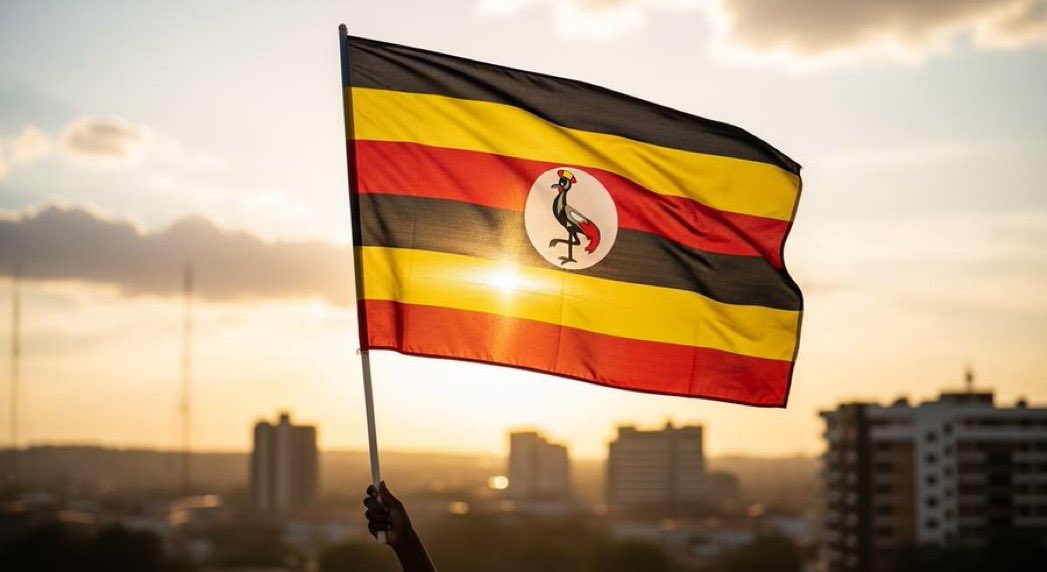
As the national flag rises and the colours of our independence are celebrated, let us look beyond the ceremony and consider the lives represented by those colours.
Let us see the families hoping for security, the young people searching for opportunity, the communities seeking reliable services, and the citizens working quietly to make their surroundings better.
Let us recognize that independence is not only a gift inherited from history. It is a responsibility renewed through action.
The nation we hope to see tomorrow begins with the values we practise today.
Let us build it through service.
Let us strengthen it through justice.
Let us protect it through responsible citizenship.
Let us unite it through respect.
Let us advance it through learning and innovation.
Let us empower it by investing in people.
And let us leave future generations a Uganda whose possibilities are greater because we chose to care, to act, and to work together.
Happy 64th Independence Day, Uganda.
May our freedom inspire responsibility, our diversity strengthen unity, our challenges awaken innovation, and our shared aspirations guide us towards a more inclusive and resilient future.
BRACE Africa International — Empowering Communities, Transforming Lives.
17. A Reflection for Families, Communities, and Future Generations
Independence Day is also an opportunity for reflection within families and communities. National identity is strengthened not only through public ceremonies but also through the values passed from one generation to another.
Families can use this occasion to discuss the meaning of freedom, the importance of responsibility, and the role each person can play in making their community better.
Parents and guardians can encourage children to ask questions about Uganda’s history, learn about the country’s cultural diversity, and understand why peaceful coexistence matters. Young people can speak with older relatives about their experiences, the changes they have witnessed, and the lessons they believe future generations should carry forward.
Such conversations help connect national history to lived experience.
They can also remind us that history is complex. Different generations and communities may have experienced particular periods differently. Listening respectfully to those experiences can deepen understanding and help prevent history from being reduced to slogans or competing claims.
Communities can organize dialogues that bring people together around shared priorities. These may include education, sanitation, youth development, environmental protection, livelihood opportunities, or support for vulnerable households.
The purpose should not be to create another event for its own sake. It should be to encourage useful discussion, strengthen relationships, and identify actions that can continue after the celebrations end.
For example, a community could use Independence Day to launch a local reading initiative, organize a clean-up activity, identify barriers affecting school attendance, discuss the protection of children, or establish a dialogue between young people and local leaders.
The activity should reflect the community’s needs and available resources.
It should also be inclusive. People who are often excluded from public discussions must have reasonable opportunities to participate. Accessibility, language, timing, and cultural context should be considered so that participation is meaningful rather than merely symbolic.
BRACE Africa International encourages families and communities to treat national celebrations as opportunities to renew everyday commitments.
A family can commit to resolving disagreements peacefully.
A youth group can commit to learning a practical skill.
A women’s association can identify a shared economic or community priority.
A school can encourage environmental responsibility.
A local organization can review its commitments to accountability and inclusion.
A group of neighbours can support an elderly resident or a household facing hardship.
Each activity may appear modest, but repeated actions can contribute to stronger community relationships and a greater sense of shared responsibility.
Future generations will judge our legacy not only by the speeches we deliver but also by the opportunities, institutions, environments, and values we leave behind.
They will inherit the consequences of our decisions about education, public resources, the natural environment, social inclusion, and national unity.
This should encourage us to think beyond immediate recognition.
What can we build that will remain useful after the celebrations are over? What knowledge can we pass on? What harmful practices can we change? Which relationships can we strengthen? What opportunities can we create for people whose talents have not yet been fully recognized?
These questions are part of the work of independence.
18. From Celebration to Action: Turning Reflection into Measurable Progress
A national reflection becomes more powerful when it leads to practical commitments. BRACE Africa International therefore encourages citizens, communities, organizations, and institutions to translate the spirit of Independence Day into actions that can be sustained beyond 9 October.
The following priorities provide a starting point.
A. Invest in people
Support access to education, relevant skills, health information, leadership development, and opportunities for personal growth.
Communities can identify learning needs, share information about available services, organize mentorship, and encourage young people to pursue constructive pathways.
Organizations should develop programs that respond to real needs and evaluate whether their activities are producing useful results.
B. Strengthen women’s and girls’ empowerment
Encourage girls’ education, women’s leadership, equal participation, economic opportunity, and prevention of gender-based violence.
Communities should create safe spaces for discussion, ensure that women participate in planning, and strengthen links to appropriate services and support mechanisms.
C. Promote accountable leadership
Encourage transparent decision-making, responsible management of resources, public participation, and accessible feedback mechanisms.
Institutions should communicate clearly about their responsibilities and the progress of relevant initiatives. Citizens should seek accurate information and use appropriate channels to raise concerns.
D. Support community health and wellbeing
Promote awareness of preventive health practices, maternal and child health, nutrition, adolescent health, sanitation, hygiene, and appropriate use of available services.
Health-related activities should rely on credible guidance, respect confidentiality, and avoid spreading misinformation.
E. Build climate and environmental resilience
Support locally appropriate environmental activities, protection of natural resources, sustainable practices, and community preparedness for relevant environmental risks.
Communities should identify priorities based on local conditions and work with appropriate technical stakeholders where needed.
F. Encourage responsible innovation
Help young people and community groups explore practical solutions, develop digital skills, improve access to reliable information, and use technology responsibly.
Innovation should be guided by inclusion, safety, accessibility, and the needs of intended users.
G. Strengthen partnerships
Encourage collaboration among community groups, local leaders, public institutions, civil society organizations, businesses, educational institutions, and development partners.
Partnerships should have clear responsibilities, shared objectives, realistic expectations, and appropriate accountability.
H. Protect national unity
Promote respectful dialogue, cultural understanding, peaceful cooperation, and responsible public communication.
Citizens should resist dehumanizing language, avoid spreading unverified claims, and seek constructive ways to resolve disagreements.
I. Make community participation meaningful
Ensure that development priorities reflect the experiences of the people affected by them.
Consultations should be accessible, inclusive, and connected to decision-making. Communities should receive feedback about what was considered, what can be done, and what constraints remain.
J. Measure progress honestly
Where initiatives are undertaken, establish appropriate indicators, document activities, assess results, and learn from challenges.
A community initiative might track participation, knowledge gained, referrals made, local partnerships established, or improvements in access to information. More ambitious programs should use indicators suited to their objectives and resources.
Numbers alone cannot capture every human outcome, but responsible measurement can help organizations understand whether their work is making a difference.
These priorities are not a substitute for national development plans or the responsibilities of public institutions. They are practical ways in which citizens and organizations can contribute within their capacities while encouraging institutions to fulfil their mandates.
The objective is not to do everything at once. It is to identify meaningful priorities and pursue them consistently.
A better Uganda will not emerge from a single declaration. It will emerge through sustained efforts, improved systems, responsible leadership, fair opportunities, and the participation of people across society.
19. A Call to Government, Civil Society, the Private Sector, and Development Partners
As Uganda celebrates 64 years of independence, BRACE Africa International calls for renewed cooperation among the institutions and actors whose decisions influence community wellbeing.
To government and public institutions
We encourage continued commitment to transparent governance, accountable public service, inclusive development, and effective delivery of essential services.
National and local priorities should respond to the realities of communities, particularly those facing significant barriers to opportunity. Public participation should be meaningful, and citizens should have appropriate channels through which to obtain information and raise concerns.
Public resources should be managed responsibly, and institutional performance should be assessed in ways that consider the quality and accessibility of services as well as the needs of the population.
To civil society organizations
We encourage organizations to strengthen community participation, improve coordination, share learning, and maintain high standards of transparency and accountability.
Civil society can contribute by identifying service gaps, building community capacity, facilitating dialogue, supporting advocacy, and developing evidence-informed initiatives.
Organizations should also be willing to learn from communities, communicate limitations honestly, and avoid promising results that cannot reasonably be delivered.
To the private sector
We encourage responsible investment, ethical business practices, skills development, local enterprise support, and partnerships that contribute to sustainable livelihoods.
Businesses can support national development through decent work, innovation, responsible environmental practices, and opportunities for young people and women to participate in economic activity.
To development partners and donors
We encourage partnerships that respect community priorities, strengthen local capacity, and support sustainable solutions.
Funding should be accompanied by realistic expectations, clear accountability, appropriate flexibility, and opportunities for local organizations to contribute their knowledge and leadership.
Community-based organizations often work close to the people whose lives development programs seek to improve. Their experiences can provide valuable insights into local needs, practical barriers, and opportunities for sustainable change.
To educational institutions
We encourage learning environments that promote critical thinking, practical skills, creativity, responsible citizenship, inclusion, and respect for diversity.
Schools and training institutions have an important role in helping learners understand both their rights and their responsibilities.
To the media and public communicators
We encourage accurate reporting, responsible public dialogue, and communication that informs citizens without unnecessarily deepening social divisions.
Public communication can help communities understand their rights, learn about opportunities, assess public issues, and participate constructively in national life.
To communities and citizens
We encourage everyone to identify practical ways to contribute to community wellbeing while continuing to exercise their rights and hold institutions accountable.
National development is not the exclusive responsibility of one office, one organization, or one group of citizens. It requires cooperation across different roles and levels of society.
BRACE Africa International welcomes partnerships grounded in mutual respect, shared objectives, transparency, and a genuine commitment to human dignity.
Together, we can help create opportunities for communities to participate more meaningfully in the development processes that shape their futures.
20. Our Vision for the Next Chapter of Uganda’s Journey
Looking beyond the 64th anniversary of independence, we should consider the Uganda we want future generations to inherit.
We envision a country where children can learn in safe and supportive environments, where young people can develop their talents and pursue meaningful livelihoods, and where women and girls can participate fully in social, economic, and public life.
We envision communities with better access to essential services, stronger local leadership, reliable information, and opportunities to shape decisions affecting their wellbeing.
We envision public institutions that earn confidence through responsible service, transparent processes, and respect for the dignity of citizens.
We envision an economy that creates opportunities across regions and sectors, supports innovation, strengthens livelihoods, and recognizes the contributions of workers, farmers, entrepreneurs, and local enterprises.
We envision a society in which differences are respected, disagreements are addressed peacefully, and citizens cooperate on priorities that benefit the common good.
We envision a future in which environmental protection and climate resilience are integrated into development decisions, helping preserve natural resources and protect livelihoods.
We envision communities where vulnerable people are not forgotten, where participation is meaningful, and where development programs are guided by evidence, inclusion, and accountability.
These aspirations are not guarantees of what will happen. They are goals that require decisions, resources, sustained effort, and cooperation.
The distance between aspiration and achievement must be bridged through practical planning.
National ambitions need clear priorities. Community initiatives need appropriate support. Institutions need capable people and effective systems. Partnerships need shared responsibilities. Programs need monitoring and learning. Citizens need opportunities to participate and obtain reliable information.
Progress also requires patience. Some improvements can be achieved relatively quickly, while others depend on long-term investment and institutional change.
We should not confuse patience with passivity. Long-term goals still require immediate action where action is possible.
A community can begin a dialogue today. A young person can begin developing a skill today. An organization can strengthen its accountability systems today. An institution can improve communication today. A partnership can identify a practical priority today.
Such actions will not resolve every challenge, but they can contribute to a culture in which improvement becomes a shared habit.
At 64, Uganda’s future remains a responsibility that belongs to all of us, according to our respective roles and capacities.
Let us approach the next chapter with hope grounded in realism, ambition guided by responsibility, and patriotism expressed through constructive action.
21. An Independence Day Message of Hope
To every Ugandan celebrating this historic day, BRACE Africa International offers a message of hope.
Hope does not require us to pretend that every problem has been solved. It requires us to believe that challenges can be examined, lessons can be learned, and meaningful improvements can be pursued.
Hope is found in the student who continues learning, the parent who encourages a child, the farmer who adapts to changing conditions, the entrepreneur who develops a useful service, the health worker who treats a patient with compassion, and the community that comes together to address a shared need.
Hope is also found in people who ask difficult questions because they believe institutions can do better, in leaders who listen because they understand that public service requires humility, and in organizations that review their work honestly because they want their efforts to produce genuine benefits.
Hope becomes stronger when it is supported by practical opportunities.
Young people need more than encouragement; they need access to learning, mentorship, skills, and pathways to meaningful participation.
Women need more than recognition; they need equal opportunities, safety, access to resources, and respect for their leadership.
Communities need more than promises; they need appropriate services, transparent decisions, and opportunities to influence the development processes affecting them.
Citizens need more than patriotic language; they need institutions that respect their rights and provide services responsibly.
Organizations need more than good intentions; they need accountability, effective partnerships, and a willingness to learn.
Our responsibility is to connect hope with these practical commitments.
Let us also remember that national progress is rarely linear. There may be setbacks, difficult choices, competing priorities, and circumstances beyond our immediate control. These realities should encourage us to prepare carefully, cooperate where possible, and remain committed to human dignity.
We should celebrate the achievements of our country without becoming complacent. We should recognize challenges without becoming hopeless. We should value individual effort without ignoring the systems that influence opportunity.
Above all, we should remember that the wellbeing of Uganda is connected to the wellbeing of its people.
A nation becomes stronger when its citizens have the opportunity to contribute, when its institutions serve responsibly, when its communities cooperate, and when its development efforts recognize the dignity of every person.
On this Independence Day, let us carry forward a simple but powerful commitment: to leave our communities a little stronger, our relationships a little more respectful, our institutions a little more accountable, and our opportunities a little more inclusive than we found them.
22. Final Reflection: Freedom Must Continue to Mean Something
Sixty-four years after independence, Uganda’s story remains a story of possibility, responsibility, and unfinished work.
The significance of 9 October 1962 lies in the historic achievement of national sovereignty. The significance of 9 October 2026 lies partly in how we choose to honour that achievement through the lives we lead and the future we help build.
We must continue to value the right of citizens to participate in national life, the dignity of communities, the importance of accountable leadership, and the need for development that reaches people across different circumstances.
We must recognize that freedom is strengthened when people have meaningful choices, when essential services are accessible, when women and young people can participate, when public resources are managed responsibly, and when citizens can raise concerns without being treated as enemies of their country.
We must protect the relationships that hold our society together. We must encourage the next generation to learn from history while developing the courage to pursue better solutions. We must recognize the contribution of people whose work often receives little public attention.
We must also remain mindful that development is not the responsibility of government alone, nor is it a burden that can fairly be transferred entirely to individuals and communities. Public institutions, private actors, civil society, families, and citizens have different but interconnected responsibilities.
The task before us is to work within those responsibilities, strengthen cooperation, and pursue improvements that respect human dignity.
For BRACE Africa International, the way forward begins with people.
It begins with listening to communities, recognizing their strengths, understanding their challenges, and supporting their capacity to participate in change.
It begins with empowering women and young people, strengthening local leadership, promoting responsible advocacy, supporting community resilience, and building partnerships that respond to real needs.
It begins with the conviction that communities deserve to be active participants in their own development.
Our slogan, “Empowering Communities, Transforming Lives,” expresses this commitment.
It reminds us that the purpose of development is not simply to complete activities, produce reports, or announce achievements. Its deeper purpose is to improve people’s opportunities, strengthen their capabilities, protect their dignity, and support a future in which communities can thrive.
As Uganda celebrates 64 years of independence, let us renew our commitment to these principles.
Let us remember the past with respect, assess the present with honesty, and approach the future with courage.
Let us celebrate our national identity while recognizing the diversity that enriches it.
Let us honour the contributions of our people while remaining determined to address the barriers that prevent many from realizing their potential.
Let us turn patriotism into responsible citizenship, reflection into practical commitments, and hope into sustained action.
May Uganda continue to pursue peace, inclusion, opportunity, accountability, and sustainable development.
May our communities grow stronger through cooperation.
May our young people find meaningful pathways to contribute.
May women and girls enjoy the dignity, safety, and opportunities they deserve.
May our institutions serve the public interest with integrity.
May our natural heritage be protected for future generations.
And may every Independence Day remind us that the true measure of national progress lies not only in the milestones we celebrate but also in the lives we improve and the opportunities we create.
Happy 64th Independence Day, Uganda!
From all of us at BRACE Africa International:
May our freedom inspire responsibility. May our unity strengthen our resilience. May our diversity enrich our common future. And may our collective efforts continue empowering communities and transforming lives.
23. A Closing Prayerful Reflection for the Nation
As a nation, we can use this occasion to reflect on the values that should guide our decisions and relationships.
May we find the wisdom to learn from our history, the courage to confront our challenges, and the humility to recognize that no individual or institution possesses every answer.
May we become more willing to listen to those whose experiences differ from our own.
May we support children and young people as they discover their abilities and prepare to contribute to society.
May women and girls find greater opportunities to lead, learn, work, and live with dignity.
May families facing hardship find appropriate support and opportunities to rebuild their security.
May communities strengthen their capacity to respond to environmental, economic, health, and social challenges.
May public institutions act with integrity, and may citizens exercise their rights responsibly.
May those entrusted with leadership remember that service is a responsibility to the people, not merely a position of authority.
May civil society organizations, businesses, educational institutions, and development partners cooperate in ways that strengthen communities rather than weaken local ownership.
May Uganda continue to pursue a future in which the promise of independence is reflected in practical opportunities, accountable institutions, and respect for every person’s dignity.
And may the generations that follow us look back on this period and see that we did not merely celebrate the achievements of the past. We also accepted responsibility for building a better future.
24. Independence Day Call to Action: Let the Celebration Continue Through Our Actions
BRACE Africa International invites Ugandans, community leaders, youth groups, women’s associations, civil society organizations, businesses, educational institutions, and development partners to make this Independence Day more than a commemoration.
Choose one meaningful action that can improve the wellbeing of your community.
Support a child’s learning.
Share reliable health information.
Encourage a young person to develop a practical skill.
Help a community group identify a shared priority.
Participate in an environmental activity.
Promote respectful dialogue.
Support a woman-led enterprise.
Ask constructive questions about a public service.
Volunteer your time or expertise.
Build a partnership that responds to a real community need.
Whatever the action, let it be responsible, inclusive, and appropriate to your circumstances.
Do not underestimate the value of consistent effort. Small actions can become meaningful when people cooperate, learn from experience, and continue improving their approach.
Independence gave Uganda the opportunity to determine its national future. Our responsibility is to help make that future more inclusive, resilient, and dignified for the people who call this country home.
Let us celebrate proudly.
Let us reflect honestly.
Let us act responsibly.
Let us build together.
UGANDA AT 64 — OUR INDEPENDENCE, OUR RESPONSIBILITY, OUR FUTURE.
BRACE Africa International
Empowering Communities, Transforming Lives.
Building Resilience and Adaptation to Care, Embrace, Motivate, Empower and Inspire Lives.


Leave a Reply